
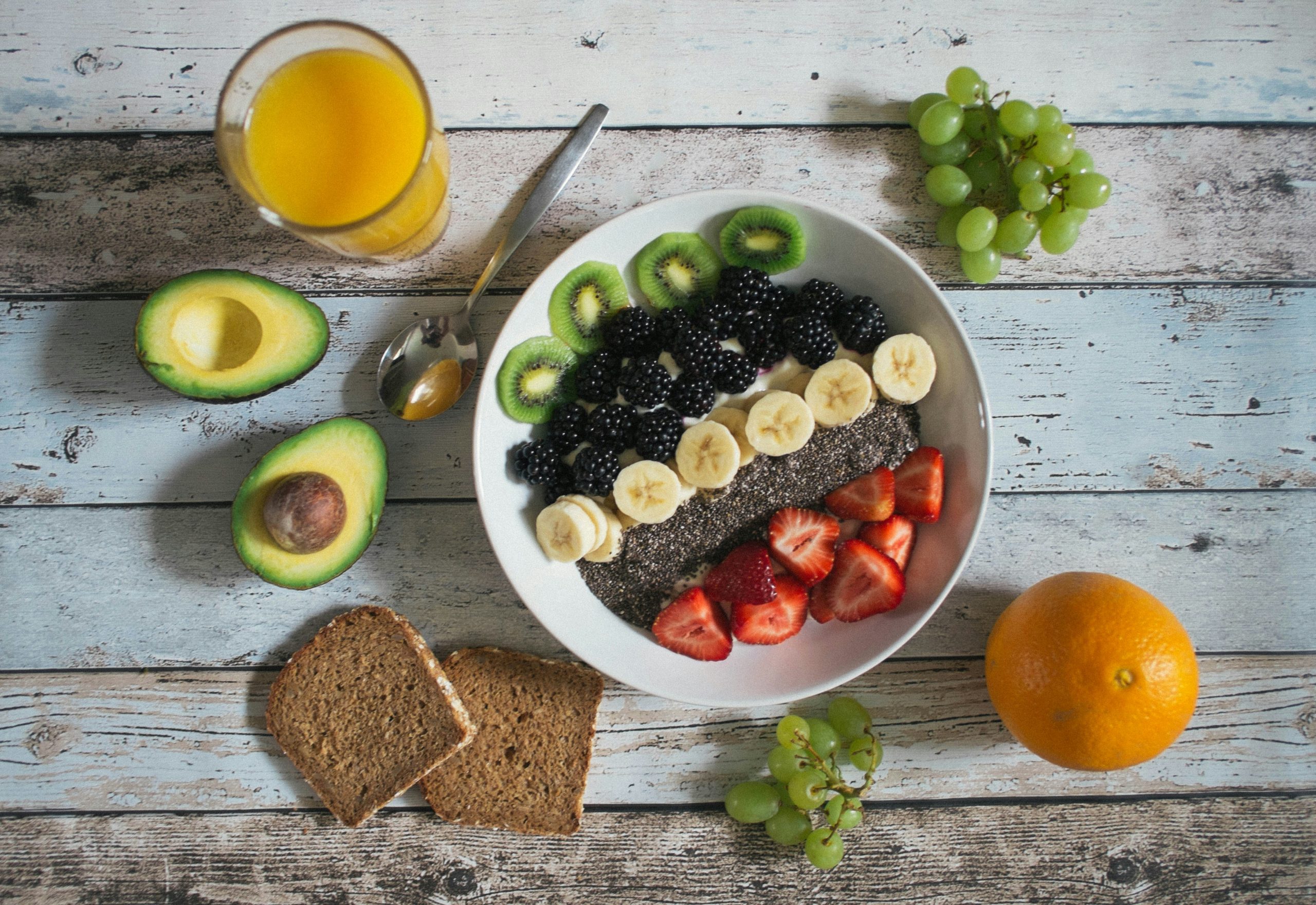
My Top 5 Pillars for Good Health
Address these and you’re on your way to improved energy, restful sleep, calm mind, nourishing food choices and feeling good about yourself.
1) Balanced Hormones.
Focusing on women for now, I encourage clients to embrace the variety that fluctuating hormones offer, focusing on the benefits. Lean into the added strength that oestrogen offers during the first half of our menstrual cycle, enjoy the calm that comes with progesterone, released when we ovulate. Knowing your cycle is key. Think you might be in perimenopause? Check out this earlier blog post for key indicators.
Top tip to help balance your hormones? Ensuring plenty of fibre (fresh fruit, veggies, wholegrains) in your diet is essential. Good digestive health enables us to absorb nutrients needed for healthy hormone production. Plus, fibre helps to clear our bodies of waste, including excess oestrogen, too much of which causes symptoms such as heavy periods, irritable mood and breast pain.
2) Sleep.
Consistent lack of sleep (or poor-quality sleep), has been associated with weight gain. We burn most fat when we’re sleeping, so if we’re not getting enough sleep, we’re making it harder to burn fat and release weight. If you’re waking feeling exhausted, relying on caffeine to survive, it’s worth building consistent habits to improve your sleep. Have a read through this earlier blog post for suggestions.
3) Stress
Whether it’s a constant low level of stress or you are permanently operating at high stress, the resulting cortisol (a stress hormone) causes inflammation, which has flow on effects throughout our bodies. Hormone production can be interrupted, we’re more likely to store belly fat, digestion and nutrient absorption are impacted.
While we may not have control over external stress, we can help minimise the impact. A few minutes of deep breathing helps reduce cortisol, as does getting outside to connect with nature (doesn’t need to be a long walk in the forest or by the sea – a couple of minutes standing barefoot on the grass with your eyes closed has a powerful impact). Have a read through this earlier blog post for more information.
4) Food.
Where to begin? The food industry has gone through significant changes over the past 50 years, introducing highly processed foods, many of which are sadly lacking in nutrition. Not to demonise all processing (e.g., yoghurt, cheese, good quality bread all require some form of processing), it’s worth taking the time to check out ingredient lists of your regular purchases. If the list is full of unrecognisable words, letters and numbers, it might be worth reconsidering. I’m not suggesting making everything from scratch. Start by focusing on how much of your food is easily recognisable, compared to what’s not – meat, poultry, salad, veggies, fruit, eggs, nuts and seeds for example are generally not pretending to be anything other than what they are.
Top tip? Keep a food diary for a few days to gain insight into how much processed versus fresh food you are consuming. Then, start making swaps – a handful of nuts for a snack, grilled chicken rather than oven-baked frozen schnitzels, eggs for breakfast rather than cereal. Small changes can have a big impact.
5) Mindset.
What does mindset have to do with health? It speaks to our underlying motivation, the subconscious beliefs that guide our decisions and choices. If we have a mindset that we’ll never be a healthy weight, or that being healthy is too hard, we’re unlikely to stay focused on healthy changes. If we believe healthy can be easy, that today’s health is key to our future health, then we’ll stay focused on a healthy plan.
Ask yourself, what’s important to me when it comes to my health? And really consider this for more than a few moments. You might be surprised what comes up for you.
90% of my clients need support with 2-3 of these areas; some clients need support with all of them. Which is why I have a range of options and programs. No such thing as one size fits all.
Where do you struggle most when it comes to your health?
Photo by Jannis Brandt on Unsplash